

Why Do Tweens Love Scary Content, and How Does It Actually Help Them
Tweens’ love for scary content isn’t just thrill-seeking — it helps them process emotions, build resilience and navigate uncertainty. Safe, age-appropriate scares offer a controlled space to explore fear, confidence and social bonding.

Charting the Future: A Strategic Roadmap for Children's Media Success
A new strategic roadmap outlines five keys for successful children’s media: treat content as brands, distribute across platforms, build direct fan relationships, diversify revenue streams, and start small while scaling smart. In today’s fragmented landscape, this holistic model defines future hits.

Webtoons and Microdramas: The Next Big Content Trends
Webtoons and microdramas are emerging as major youth trends, driven by mobile-first storytelling, fast consumption and strong fandom communities. Their visual, low-barrier formats are reshaping how young audiences discover, share and engage with serial content.
The lack of Original IP is crushing the Children's Media Industry
Children’s media is struggling: risk-averse platforms keep choosing familiar brands over fresh ideas. Without investment in original IP, creativity stalls, audiences shrink and the industry’s long-term future is threatened. New worlds and new characters are urgently needed.

Can You Hear the Difference?
AI-generated music is no longer a niche experiment — it’s blurring lines between real songs and artificial tracks. While tools like Suno or Udio let brands produce ready-made tunes in seconds, the lack of human voice and emotion may weaken artistic opportunities and emotional connection — especially for children’s content.

Navigating Monetisation Challenges and Opportunities in Kids’ Content
Monetising kids content is getting harder — but also more inventive. With declining broadcast revenues, success will go to creators who build direct fan relationships, diversify revenue streams (micro-transactions, games, merch) and leverage new platforms like Roblox or TikTok.

The A(lpha)-Z of a Personality-First Social Media Approach to Fandom
A “personality-first” social-media approach is changing fandom: when athletes and creators show their real selves — values, quirks, daily life — fans connect more deeply. For Gen Z and younger, authenticity and personal connection matter more than polished branding.
Rewriting the Rules of Kids’ Content Distribution
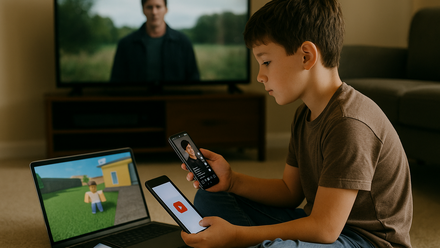
In a fragmented media world, kids’ content no longer lives just on TV. To succeed today, creators must build multiplatform ecosystems — across YouTube, TikTok, games, streaming, even broadcast — ensuring discoverability, engagement, and lasting fan loyalty.

Beyond Marketing: How Fans Shape Brand Identity Through Emotional Resonance
Brand identity is no longer built top-down. Fans shape it through emotional resonance, participation and shared meaning — turning brands into evolving communities rather than static products. Winning brands listen, respond and co-create with their audiences.
Caught in the Middle of Cinema and Social Media: I’m 23 and Nostalgic Already
Gen Z is feeling nostalgic far earlier than previous generations. Fast trend cycles, constant cultural recycling and social-media storytelling create a sense of longing for eras they barely lived through — reshaping how young adults connect with film, childhood and identity.

Chaos, Cool, and the New Codes of Teenage Belonging
Teens today connect through new belonging codes — chaos aesthetics, irony, randomness and raw authenticity. These fluid, playful social signals help young people experiment with identity and find community in an online world shaped by TikTok culture.


Redefining Masculinity for the Next Generation
Masculinity is being redefined for the next generation. Today’s boys need emotional openness, positive role models and spaces that challenge outdated stereotypes — helping them grow into confident, empathetic and healthy young men.

AI in Education: Saving Teachers Time and Personalising Student Learning
AI in education is turning into a powerful ally — easing teachers’ workload and creating personalized learning for students. Tools such as BRISK Teaching automate tasks like lesson planning, feedback and reading-level adaptation, giving teachers more time to focus on meaningful student engagement.

Witnessing the Rise of Women’s Football Through My Daughter’s Eyes
Women’s football is rising fast — and seeing it through a daughter’s eyes reveals its real impact. Greater visibility, strong female role models and growing opportunities are inspiring girls to play, dream bigger and feel they truly belong in the sport.

How Parents and Teachers Should Work Together to Help Kids Understand Digital Citizenship and Their Digital Footprint
Helping kids understand digital citizenship requires strong collaboration between parents and teachers. Clear guidance, open conversations and consistent boundaries equip children to navigate privacy, digital footprints and responsible online behavior.

Engaging the Next Generation: How Roblox is Transforming Youth Sports Fandom
Roblox is reshaping youth sports fandom by turning teams, athletes and events into immersive, playable experiences. Kids don’t just watch — they participate, explore and build deeper, more interactive fan relationships inside virtual worlds.

London Toy Fair 25 - a story about what parents and children need, want, and love
The London Toy Fair 2025 reveals what today’s families value most: durable, sustainable toys, creativity-boosting products and play that strengthens family connection. Kids still love collectibles and character worlds — but parents increasingly prioritise purpose and quality.
The Rise of Kidults, and How Nostalgic Toys Could Be Helping to Bring Families Together
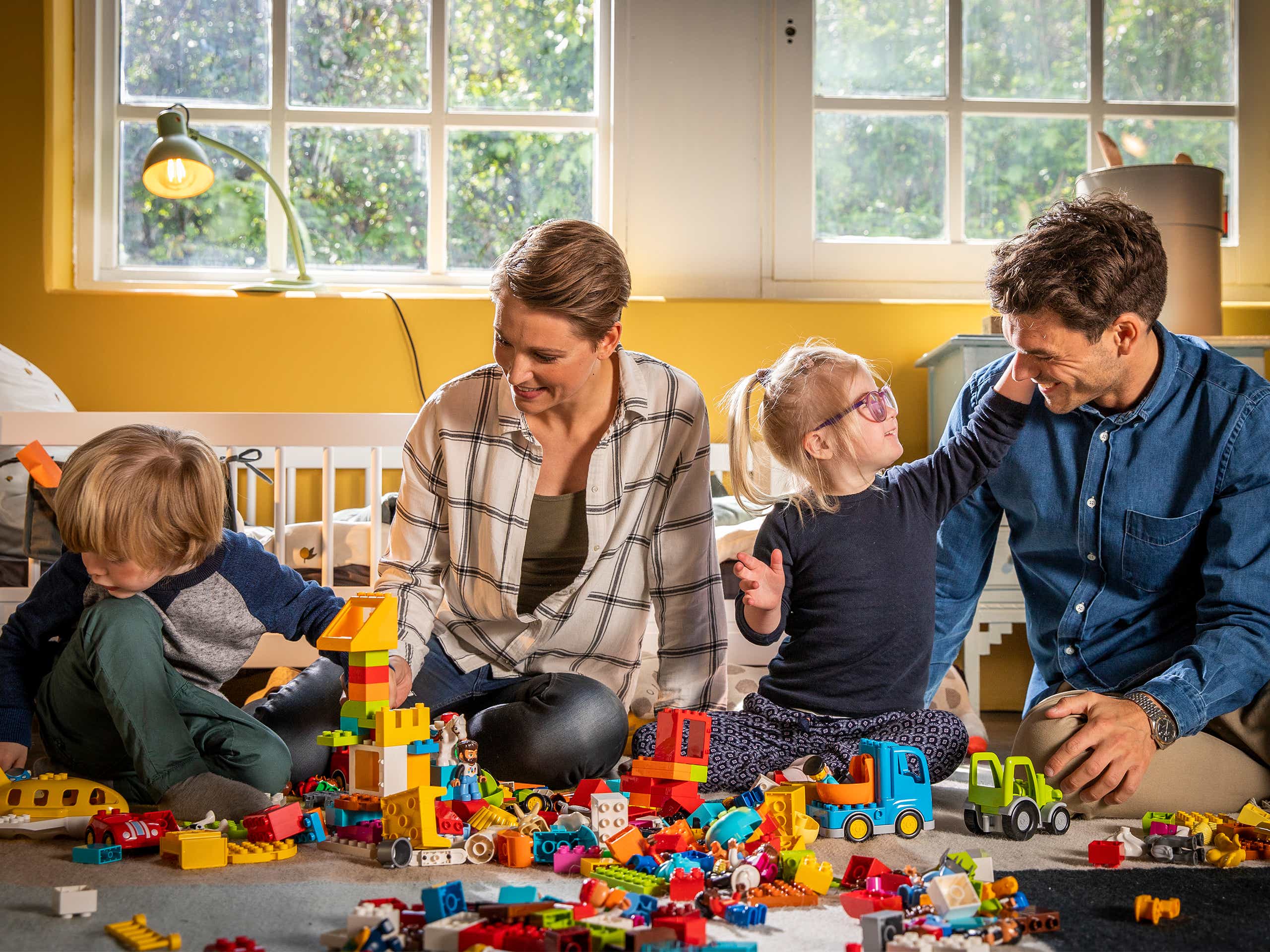
Kidults — adults who still love toys — are reshaping family time. Nostalgic games and collectibles now serve as bridges across generations, transforming play into shared rituals and meaningful interaction. This revival of analog fun reconnects families in a digital-first world.

Is Parental Control Overrated? Letting Kids Watch What They Want
Is parental control overrated? The article argues that giving children some autonomy over what they watch — combined with guidance, open dialogue and digital literacy — can foster independence and trust. Effective media exposure today balances freedom with responsible boundaries.


How Christmas Shopping Has Evolved: Reflections from a Millennial Parent in London
Christmas shopping has shifted from chaotic store hunts to curated, purposeful gifting. Millennial parents blend online convenience, sustainability and thoughtful choices — reshaping how families celebrate and shop for the holidays.
Recycling IP: Relaunching Familiar Content
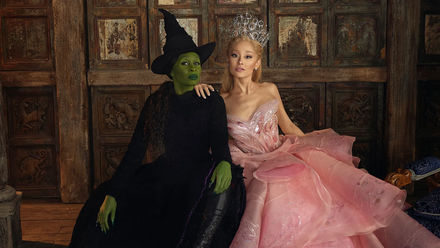
Recycled IP is everywhere — from reboots to spin-offs — offering familiarity but risking creative stagnation. For kids’ media especially, relying too heavily on old brands can crowd out fresh voices and new worlds that young audiences urgently need.

The Timeless Relevance of Wicked's Themes on Authenticity, Identity and Trust
Wicked’s core themes — authenticity, identity and trust — resonate strongly in our digital age. As social media and misinformation blur reality, the story urges us to value truth, integrity and inner strength, reminding audiences that being true to oneself is timeless.

Information Overload: Thinking Critically and Advocacy for Media Literacy
ChatGPT is rapidly becoming a favourite app among kids. Its mix of playful creativity, instant answers and personalised learning makes it highly appealing — but responsible use, guidance and digital literacy remain essential for families and educators.

Getting It Right for Everyone Might Be Kids' Media's Toughest Challenge Yet
Kids’ media faces a tough balancing act: creating stories that speak to every family — whether traditional or progressive — while staying inclusive, meaningful and respectful. The right blend of audience insight and thoughtful storytelling could keep every living room engaged.

Rizz, Suss, and Bussin': A Guide to Gen Alpha's Freshest Slang
Gen Alpha is shaping a new wave of slang — from rizz to bussin — creating language that signals identity, belonging and humor. Understanding these terms helps adults keep pace with how kids communicate and connect today.

From Classrooms to Medals: Meet the next Generation of Olympic and Paralympic Stars
At Paris 2024, a wave of youthful talent stunned the world: pre-teens and teenagers competed on the global stage across Olympic & Paralympic events. These rising stars bring skill, bold self-expression and fresh energy — proof that the next generation will redefine what it means to win.

Banana Ball: The Future of Baseball, Sports Sacrilege or Just a Bit of Fun?
Banana Ball flips traditional baseball on its head — fast-paced games, fan involvement, dancing players and circus-like flair. With new rules and theatrical energy, the Savannah Bananas aim to revive baseball for modern audiences, turning the sport into a lively entertainment experience.

Empowering Tomorrow’s Athletes: The Quiet Revolution in Girls' Sports Participation
Girls’ sports participation is rising through a quiet revolution driven by visibility, supportive communities and better access. As barriers slowly fall, more girls gain confidence, agency and a sense of belonging in athletic spaces.

The Future of Music Consumption
The future of music consumption belongs to streaming, personalization, and Generation Z. Platforms like Spotify, Apple Music and YouTube give instant access to vast catalogues, enabling diverse tastes, curated playlists and shared listening — turning music into a flexible, on-demand, social experience.

From Star Wars to The Beatles: Tweens’ Online Fandom Practices and What’s Next
Today’s tweens explore fandom across movies, music, gaming and social media. Whether it’s Star Wars, The Beatles or the latest trend, fandom helps kids express identity, build friendships and engage creatively — fandom has become a key space for belonging and self-expression online.

12 Things to do With Your Kids This Valentine's Day
Celebrate Valentine’s Day as a family with 12 easy ideas: handmade cards, heart‑shaped bakes, a scavenger hunt, crafts, a cozy movie night, and simple acts of kindness. Low‑cost, creative, and age‑friendly ways to turn February 14 into meaningful together time.

What's So Special About Sports Specialisation?
Should tweens specialise in one sport? While early focus can build skills and confidence, it raises overuse injury risks and narrows development. A broader mix through early teens boosts physical literacy, social growth, and long‑term participation.

A 10-year-old’s 10-step Skincare Routine: What’s the Big Deal?
Kids as young as 10 are adopting multi-step skincare routines influenced by social media and beauty culture. The trend raises concerns about harsh products, pressure to look “perfect” and the commercialisation of childhood — highlighting the need for guidance and age-appropriate skincare.



Our Favourite Toys of 2023
Our favourite toys of 2023 blend sensory fun, humor, and hands‑on creativity—from Squishmallows and a kid‑sized Dyson to the Bio Beasts Shark Creator and GiGi the Giraffe. Tactile play, collectability, and role‑play ruled families’ wish lists this year.

Behind The Scenes: Tween Council 2023 - Sports
The Tween Council 2023 reveals what truly motivates kids in sport: fun, community, diverse role models and accessible opportunities. Their voices highlight how brands and organisations can build sport experiences that feel inclusive, exciting and genuinely youth-driven.

Navigating the Field: Insights from Our Global Kids Sports Reports
The Global Kids Sports Report reveals stark varying patterns in children’s sports participation worldwide — shaped by region, gender and access. It highlights that opportunities, role models and infrastructure deeply influence whether kids stay active — underscoring a global gap in youth sport equity.

Understanding Kids - What makes kids laugh?
A practical guide to what makes kids aged 0–7 laugh: from silly faces and sounds to slapstick, nonsense wordplay, and gentle rule‑breaking. Age‑by‑age triggers and tips help creators and parents craft humor that fits children’s cognitive stages.

The Clock is Ticking on Childhood
TikTok exposes tweens and teens to “adult life” in a controlled, appealing space. With sensible age gates, community standards, and parental guidance, the short‑form format can support identity development during the transition from childhood to adulthood.

What is Love? (Island) Baby Don't Hurt Me.
Love Island is more than glossy escapism—it shapes beauty norms, dating scripts, and consumer culture while turning contestants into social media assets. For brands, it’s high reach with high risk: value‑aligned, safeguarded partnerships or don’t bother.

Five Things Games Can Do Beyond Just Entertain
Games now deliver real-world impact: FDA-approved ADHD therapy like EndeavorRx on Roblox, professional training, and innovative family-focused research. Beyond fun, games build empathy by putting players in others’ shoes—five practical use cases 1.

Are Teens Turning Away From Tech?
A growing number of teens are rethinking their place in a hyper-connected world. From reviving vintage gadgets to embracing digital breaks, many are voluntarily stepping back from smartphones — shifting from constant connectivity to mindful tech use.
Ms. Rachel Is Teaching Your Children
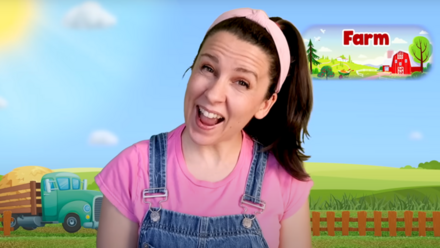
Ms. Rachel has become a standout voice in early-childhood learning online. With slow, interactive videos backed by real educational training, she’s winning over millions of parents and toddlers—and shaping how the youngest generation learns through screens.


Squishmania Continues
Squishmania shows no sign of fading — Squishmallows remain among the top wish-list toys thanks to constant new releases, limited editions and franchise collaborations. Fueled by TikTok hype, nostalgia and collectible appeal, these plush toys still deliver comfort and joy to kids everywhere. we-are-family.com


The Rise of Virtual Influencers
Virtual influencers are rising: ageless, controllable, cost‑efficient, and less scandal‑prone. As Gen Z favors relatable voices over celebrity gloss, digital avatars like Lil Miquela offer consistent storytelling and brand‑safe influence across platforms.
Designing Experiences For Generation Alpha
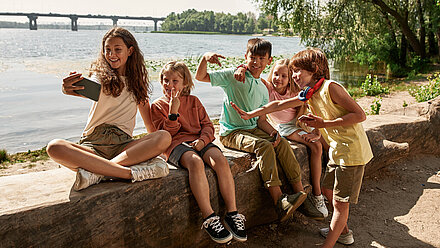
Generation Alpha craves hybrid experiences where digital and physical blur—TikTok‑discovered places, Discord‑born friendships, site‑specific apps, and avatars augment real life. Post‑pandemic connectivity now shapes their tastes, behaviors, and the next wave of experience design.


Research News: A new study into the use of technology in secondary schools
A new study explores how secondary schools use technology, revealing both its benefits — motivation, efficiency, personalised learning — and challenges like distraction, uneven access and unclear guidelines. It highlights the need for balanced, purposeful tech integration in classrooms.



A Need For Consistency in Classification: BBFC Research Report
A new BBFC study highlights parents’ need for clearer, more consistent age ratings. Confusing or uneven classifications make media choices harder — reinforcing the call for transparent, reliable guidance across film and online content.

We are Family Research 2022 – Food And Me
Food & Me 2022 shows families cooking more at home, balancing budgets and nutrition, and giving kids greater say—especially on snacks and brands. Simple recipes, shared cooking, and TikTok/YouTube trends shape habits, creating demand for practical, value‑led products.






What We Have Learnt from the Commonwealth Games
The Commonwealth Games mix unity and rivalry—while grappling with a colonial legacy. Progress includes more women’s medal events, inclusion, and youth‑oriented moves like esports. Most importantly, the Games can inspire kids when families help them watch and engage.




Changing the Channel with Remote Learning
Remote learning has reshaped education, pushing families and schools to adapt fast. With digital tools enabling flexible and interactive learning, success now depends on structure, support and maintaining strong connections between students and teachers.

Gen Z's Mental Health - What is Impacting It and What are They Doing About It?
Gen Z faces compounded mental health pressures—from pandemic fallout and economic strain to social media and climate anxiety—yet responds with openness, early help-seeking, digital breaks, movement, and peer support. The call: practical, stigma-free support across school, work, and online.

Brand Tattoos: Regret or Reclaim?
Brand tattoos straddle fandom and risk: they can feel like reclaiming beloved characters beyond brand control, yet carry real regret if trends turn or brands fall from grace. Personal expression meets volatile culture—ownership on skin isn’t without stakes.

Where are All the 3D Printed Toys?
If 3D printing is so hot, where are the toys? Safety certification, materials, licensing, unit costs, and quality control keep mass‑market adoption slow. The near‑term wins lie in customization, spare parts, and on‑demand personalisation—niche first, mainstream later.
Two Pre's in a Pod
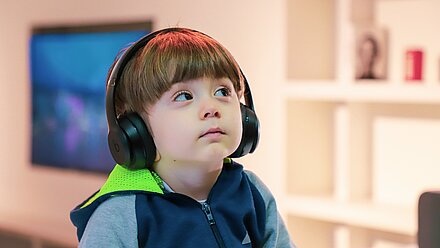
Audio is having its moment: podcasts like Two Pre’s in a Pod are booming among kids and teens. Easy to access, screen-free and imaginative, they create community, stimulate creativity and offer educators and brands a fresh way to engage younger listeners.




The Ukraine War’s Impact on TikTok Content Producers
The Ukraine war has turned TikTok into a high-stakes platform for youth content producers. It offers global visibility and real-time documentation, but also floods creators with emotionally heavy material, disinformation risks and increased scrutiny — redefining what it means to be a digital storyteller today.


Engrossing or Gross? The Popularity of Mukbang
Mukbang content fascinates young viewers with its mix of entertainment, ASMR and social connection. But its rising popularity also raises concerns around eating behaviours, body image and overstimulation — making media literacy essential.Mukbang ASMR youth media trends eating content body image concerns digital entertainment social connection online behaviour media literacy

How Nintendo Games Became a Clever Marketing Platform for Companies
Nintendo games have quietly become powerful marketing platforms. Brands tap into titles like Animal Crossing to reach young audiences through playful, community-driven integrations that feel organic rather than like traditional ads.


5 Proven Ways to Create and Develop the "Fun Factor" into Experiences for Young Consumers
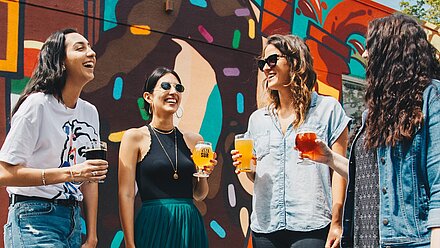
Creating fun for young consumers means designing experiences that are interactive, social, surprising, creative and multisensory. Brands that spark genuine engagement — not just passive entertainment — build deeper, more memorable connections with kids.