The Shifting Playing Field

Why Sports Fandom is Evolving

Adapting is no longer a matter of incremental change; it is a strategic imperative for survival and future growth.

The traditional model of sports fandom, built on appointment viewing and passive spectatorship, is facing an existential threat. A potent combination of generational behavioural shifts and disruptive technologies is rapidly eroding the foundations of the legacy sports industry.

Younger audiences consume media, interact with brands, and allocate their leisure time in ways that are fundamentally misaligned with established sports engagement models.

For sports organisations, from leagues and teams to media partners, recognising this as a structural crisis is the first step.

The New Content Consumption Paradigm

The core challenge facing traditional sports broadcasting is a systemic breakdown in how modern audiences consume content. The hours-long live broadcast is losing its appeal, especially among younger viewers who have grown up in a fragmented, on-demand media ecosystem.

51%

of tweens watch live sport regularly, according to our Global Kids Sports Report

74%

of Gen Z say highlights are their favourite form of sports content

29%

of fans used a second screen simultaneously while watching sports in 2025 (up from 27% in 2024)

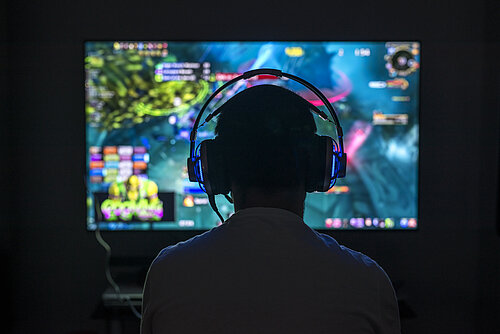
The NBA's main competition isn't the NFL - it's PlayStation.

What Gen Z and Gen Alpha Look for in Sport

The expectations of Generation Z and the emerging Gen Alpha cohort extend far beyond media consumption. These generations prioritise interaction, authenticity, and alignment with their personal values over passive loyalty.

Interactive

Younger fans are rejecting passive spectatorship in favour of more interactive and participatory experiences. They want to be part of the action, not just witness it. This desire comes from a need for meaning, belonging, self-improvement, and even self-identity.
Entertainment

Today's young fans want to be entertained, not just by the content surrounding the sport, but by the sport itself. They are excited by new, faster formats that increase the action and keep them engaged more consistently.

Influencers

User-generated content, led by social media influencers, has become a primary consumption format for Gen Z. This has given rise to phenomena like influencer boxing, where personalities such as Jake Paul and KSI have leveraged their massive followings to revive a legacy sport for a new generation.

Authenticity & Values

Fans want to know the teams and players they idolise share a common value system and are authentic in their beliefs. Young fans particularly want to understand the back story behind a player, the struggles they have gone through and the sacrifices they have made.

Challenger Leagues Are Redesigning the Game

In response to shifting fan preferences, a new category of challenger sports leagues is emerging. These leagues are not merely tweaking the edges of traditional sports; they are fundamentally redesigning the rules, presentation, and pace to prioritise entertainment, digital engagement, and a faster, more action-oriented product.

They represent a direct answer to the demand for more compelling and less time-consuming content, challenging the very definition of what a professional sports product should be.

Banana Ball

Games have a two-hour time limit. Innings are won for points. Foul balls caught by fans are outs. No bunting allowed.

3ICE

Features a 3-on-3 format with two eight-minute halves. Penalties result in "jailbreak" penalty shots instead of power plays.

Kings League

A 7-a-side format where teams can play a "secret weapon" joker card once per game to gain an advantage, such as a penalty or a double-goal period.

Core Characteristics of New Sports Formats

These alternative formats share a set of common strategic pillars designed to appeal directly to the modern fan's preferences for speed, engagement, and entertainment.

Accelerated Pace

A primary focus is eliminating downtime. Banana Ball imposes a strict two-hour time limit, a stark contrast to traditional baseball. 3ICE features eight-minute halves, ensuring constant motion.

Entertainment-First Approach

The fan experience is prioritised over rigid sporting tradition. New formats lean heavily into their "show" aspect, featuring innovative rules, audience interaction, and highly emotive story arcs.

Simplified High-Action Rules

Rules are explicitly modified to generate more frequent, high-stakes moments. 3ICE replaces power plays with "jailbreak" shots. The Kings League settles draws with a one-on-one penalty shootout.

Off-Season Scheduling

These leagues often operate during the traditional off-season of major-league counterparts, avoiding direct competition for viewership. 3ICE runs June to August, capturing hockey fans during the NHL summer break.

Content Atomisation: The New Playbook

The era of monolithic live broadcasts as the sole pillar of fan engagement is over. The modern media landscape is fragmented, and reaching younger fans requires a new playbook centred on "content atomisation" - the strategic process of deconstructing a single live game into dozens of shareable, bite-sized moments distributed across digital platforms.

This approach is a direct response to data showing that younger generations are abandoning traditional pay-TV, with viewership among the 16-34 age group now accounting for less than 5% of their total media consumption.

A global IBM study found that

90%

of fans consume sports content beyond live events

51%

of that content is highlights, the single most popular format

The Gen Z & Alpha Media Challenge

Sports organisations face a unique set of media-related challenges when attempting to capture the attention of younger demographics, whose content consumption habits differ dramatically from those of older generations.

Shortened Attention Span

The growing culture of instant gratification makes the prospect of a 2-to-4-hour live game a difficult proposition for many in Gen Z. They are accustomed to shorter, more dynamic content formats that deliver immediate payoffs.

Competition Overload

Sports content must actively compete for leisure time against gaming, social media, and on-demand streaming services that are often more interactive and accessible.

Second-Screen Dominance

Multitasking is the default viewing behaviour. According to IBM data, 29% of fans use multiple devices simultaneously while watching sports, fragmenting their attention away from the primary broadcast.

Cost Barriers

Rising ticket prices and expensive television subscription packages make both in-person attendance and at-home viewing less accessible for younger consumers who are often students or early in their careers.

Repurposing Content for Monetisation

The media brands that have mastered content atomisation demonstrate the commercial power of this approach at scale.

House of Highlights

📸 51 Million Instagram Followers▶ 17.5 Million YouTube Subscribers

A digital sports media brand known for rapidly sharing exciting moments, highlights, and viral clips across sports culture. Built primarily on social platforms, it blends elite athletic plays with memes, creator content, and fan-first storytelling to reach young, mobile-first audiences.

The brand has become a key gateway for Gen Z sports fandom, shaping how highlights are consumed and shared in real time.

Bleacher Report

📸 22 Million Instagram Followers▶ 4.79 Million YouTube Subscribers

A sports media brand that delivers news, analysis, highlights, and culture-driven content across major leagues and fandoms. It combines traditional sports reporting with social-first storytelling, creator voices, and pop culture to engage younger, digitally native audiences.

As part of Warner Bros. Discovery, it plays a central role in shaping modern, always-on sports conversation across platforms.

From Marketing Channel to Property Pillar

The creator economy has pivoted from a marketing channel to a foundational pillar of sports property development itself. In a significant new trend, influential personalities are moving beyond sponsorship and analysis to found, own, and even participate in new leagues and teams.

This movement blurs the traditional lines between entertainer, athlete, and executive, creating a new model of sports property built around established digital communities and authentic, personality-driven narratives.

These examples signal the ultimate convergence of the trends previously discussed. Creator-led leagues inherently produce the fast-paced, entertainment-first formats that younger fans desire, distribute them through social-first media channels, and build engaged communities that crave interaction and participation.

Kings League

This 7-a-side football league, founded by former FC Barcelona star Gerard Piqué, is a prime example of the creator-led model.

The league features teams owned and run by a mix of major Twitch streamers and football legends like Iker Casillas and Sergio Agüero.

As Piqué notes, it is a product where the presidents are creators of content, using their platforms to build hype, engage fans directly, and create storylines that extend far beyond the pitch.

Influencer Boxing

What began as a novelty has evolved into a significant market force. Led by figures like Jake Paul and KSI, influencer boxing has leveraged the massive social media followings of its participants to revive the sport's popularity with younger viewers.

This trend has allowed established fighters and promoters to reach a newly engaged Gen Z audience.

Hashtag United

This football club, founded by YouTube creator Spencer Owen, represents the full maturation of this trend.

It began as a team for exhibition matches featuring friends and other creators, but has since transitioned into a formal, semi-professional organisation competing in the English football league system, demonstrating a viable pathway from content creation to legitimate sporting institution.

Key Takeaways: The Future of Fandom

The four essential directives for navigating this new sports fandom landscape.

Convert Spectators into Participants

The modern fan, especially within Gen Z, no longer wants to be a passive viewer. The future of fandom is interactive, social, and participatory.

The strategic imperative is to build experiences, both digital and physical, that incorporate gamification, community interaction, and personalisation, making fans feel like they are part of the action.

Re-Define the Product as Entertainment

New formats demonstrate that a relentless focus on "the show" can attract and retain new audiences. Legacy sports must recognise they are competing in the broader entertainment market against more dynamic, fast-paced alternatives.

This requires a willingness to reimagine rules, accelerate play, and prioritise the fan experience over rigid tradition.

Deconstruct the Broadcast into Atomised Content

The monolithic broadcast is being deconstructed into a continuous flow of digital moments. The future of sports media lies in operating as a 24/7 content engine delivering highlights, behind-the-scenes footage, and creator-led narratives across platforms.

Embrace Creators as Power Brokers

Influencers and digital creators have evolved from peripheral marketers to central figures in the sports ecosystem. They are now fundamental to building communities, driving engagement, and launching new ventures.

The most successful organisations will treat creators as strategic partners integrated into the core of their business.

How the new sports world is leveraging the Fandom Journey

1

Ubiquitous & Relevant Exposure

Being across the right platforms with the right content is exactly what content atomisation is about. Combined with influencer partnerships, it makes content feel like it is everywhere and "for people like me".

2

Instant Impact

Reengineering the game to be shorter, faster, and with more moments of jeopardy gives it that instant impact. If you thought 3ICE was for you and watched a game, it would hit you hard and fast and leave an impression.

3

Levelling Up

Fans thrive on being in the know. Focusing on behind-the-scenes content, stats, and facts makes every fandom moment an opportunity to deepen knowledge and deepen the emotions.

4

Belonging & Community

Organisations like Banana Ball, Hashtag United, and Kings League have a clear mission to put fans first. By putting fans' needs at the heart of your business you increase the sense of belonging and community.

5

Identity Development

Sport has a long heritage of driving self-identity, from wearing the jersey in the park to doing Ronaldo's "Siuuu" when you get a good grade. Organisations that get their fans to this level reap the rewards both emotionally and financially.

Our Fandom Journey framework

This is the We Are Family Fandom Journey. It's the steps a fan needs to take to go from zero to superfan.

Plenty of models look at what levers you need to pull, but they don't focus on which ones you need to use at which part of the process.

It is built on interviews with over ten thousand kids, teens, and families around the world and the journeys they took in their fandoms.

The new sports world is very specifically engineered to get users to superfan quickly.

Let us help you strengthen your fandom journey

These trends are not threats but opportunities. They represent the new, non-negotiable pillars of modern sports business strategy.

Embracing this new era of fandom is the only path to unlocking the next generation of growth in a rapidly changing global landscape.

Other Recommended Blogs