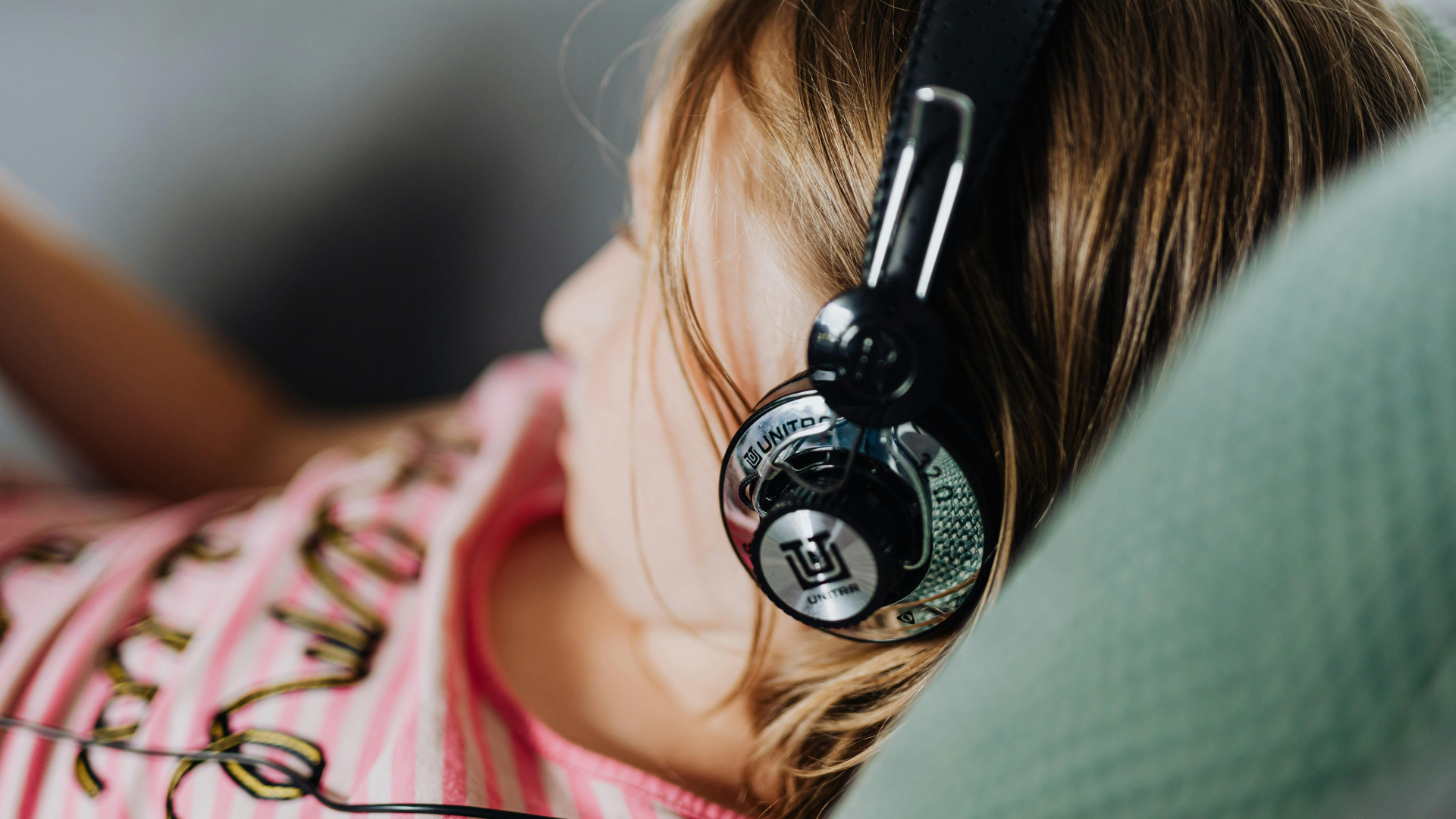
Aidee - Nothing Rhymes With Orange
OVERVIEW
We were appointed to launch AIDEE’s debut album and build awareness for the new YouTube channel, introducing the project to parents of neurodivergent children. The integrated campaign combined YouTube paid media, podcast sponsorship and PR, strategically timed around ADHD Awareness Month. Together, the activity positioned AIDEE as a credible, emotionally resonant support tool while driving efficient reach and sustained visibility across the album rollout.
Our Client
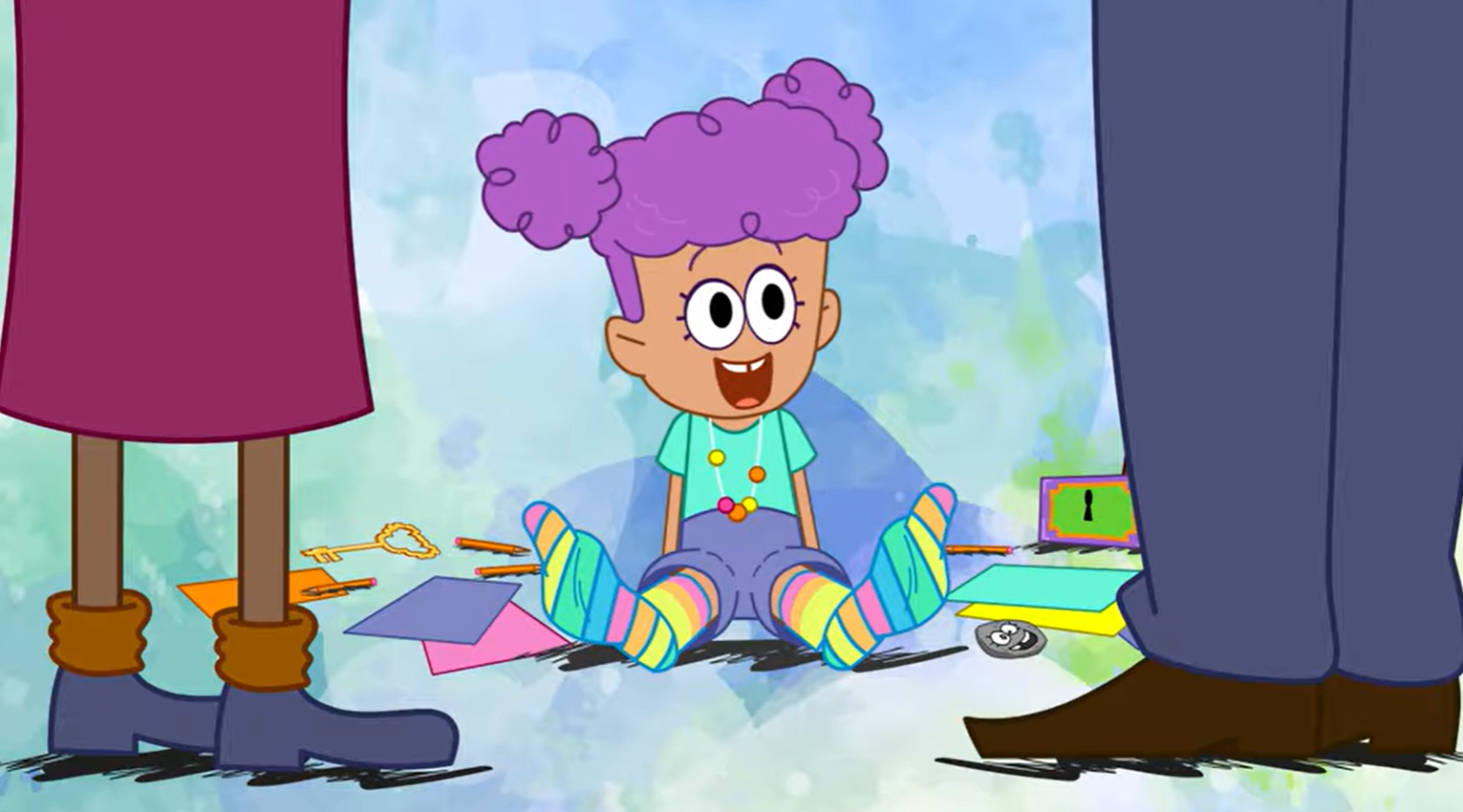
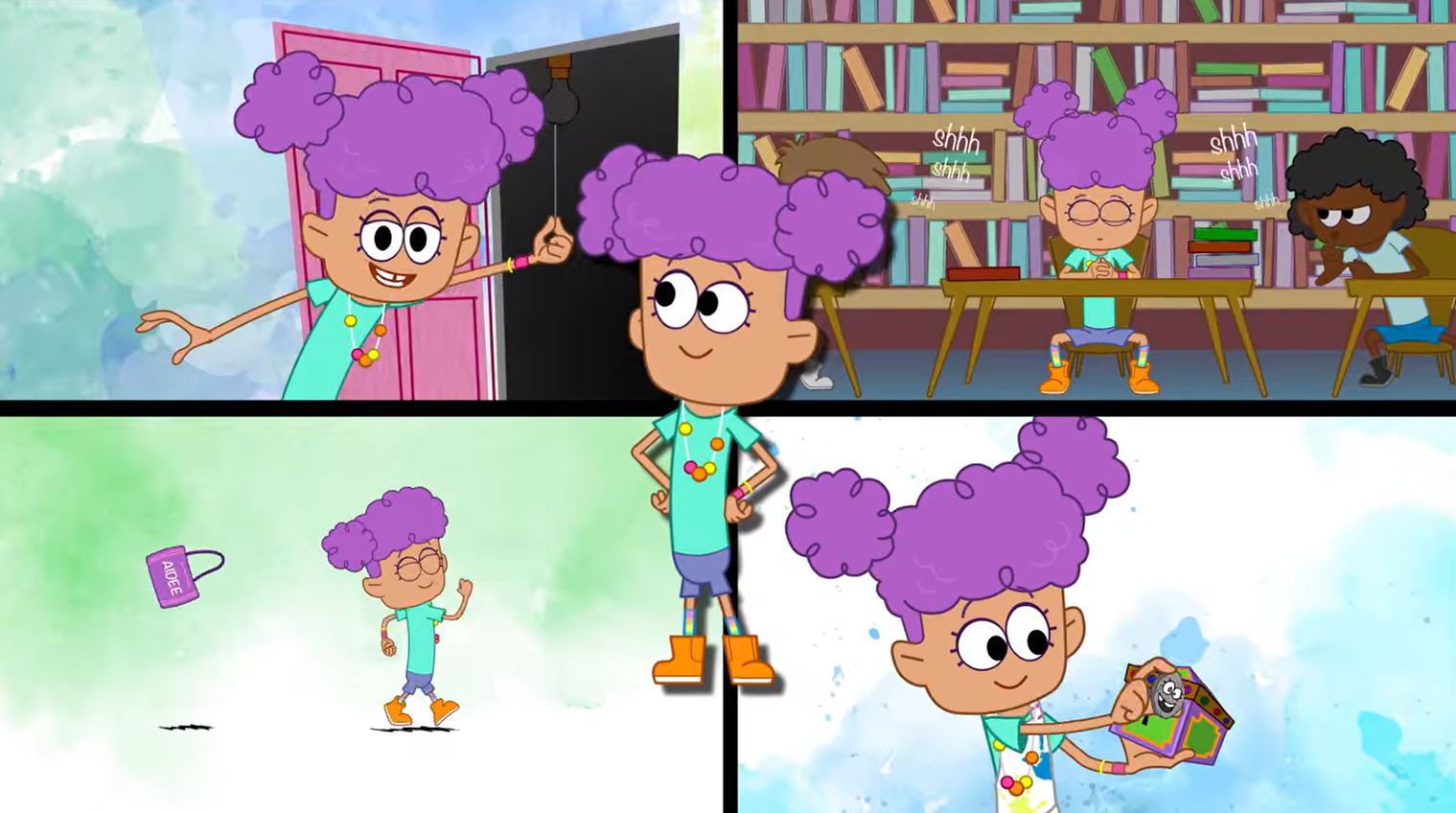
AIDEE is a music-led project created to support neurodivergent children aged 3–8, particularly those with ADHD. Told through the imaginative voice of an 8-year-old girl, each track helps children navigate everyday challenges, using music as an accessible support tool for families.
The debut album launched with the goal of reaching parents, carers and educators while establishing AIDEE as a trusted wellbeing resource for children. Alongside awareness, the campaign aimed to drive early YouTube subscriber growth, encourage repeat listening across platforms and establish a scalable launch framework for future releases.
At A Glance
Integrated YouTube, podcast and PR campaign.
Launched during ADHD Awareness Month.
Targeted digitally active parents of neurodivergent children, particularly those newly navigating diagnosis and seeking a practical support tool.
Focus on awareness, credibility and measurable engagement behaviours including completed views, repeat listens and subscriber growth.
£1.5K paid media investment driving efficient scale.
The Challenge
AIDEE launched with:
- No existing audience
- A limited budget
- A sensitive subject area
- Competition from established ADHD experts, charities and clinical voices
Parents in the ADHD space actively seek support, but are highly sceptical of commercial products and over-claimed expertise. Launching a music project during ADHD Awareness Month meant visibility would be high, so it was crucial to gain trust in an authentic way.
We needed to introduce AIDEE not as entertainment, but as a supportive tool, without over-claiming clinical authority.

Our Approach
Rather than starting with channels, we started with behaviour.
Parents navigating ADHD consume content in three distinct ways:
- They scroll for discovery and relatability
- They listen to long-form parenting content in trusted space
- They respond to lived-experience storytelling over corporate messaging
Our strategy aligned to those behaviours.
Driving Scalable Awareness
We used YouTube in-stream campaigns aligned to each music video release.
In-stream was chosen deliberately: skippable formats allowed us to test genuine attention. If parents chose not to skip, that was a sign it resonated.
Budget was optimised flight-by-flight, using performance data to refine targeting and creative delivery.
Embedding in Trusted Environments
We partnered with parenting podcasts whose audiences actively seek advice, reassurance and lived experience.
Audio was critical: it places the message in an environment where parents are more receptive and less defensive than on social feeds.
Building Credibility Through Story
PR focused on creator-led narratives and human-interest positioning during ADHD Awareness Month.
Rather than framing AIDEE as an expert solution, we positioned it as a parent-created support tool , reducing scepticism and increasing emotional accessibility.
Each channel had a defined role:
YouTube for scale, podcasts for reinforcement, PR for legitimacy.


The Results
The campaign delivered 229K+ impressions and 52.7K views across YouTube, efficiently reaching parents and families at scale. In-stream ads achieved view rates up to 48%, significantly outperforming typical skippable benchmarks of 15–35%, with CPVs as low as $0.02 (below standard $0.03–$0.05 averages).
Podcast activity generated 156K+ downloads across parenting and family shows. PR secured 289 media placements across the US and UK, including 60+ regional TV and radio affiliates, with 100% positive sentiment.

The Impact
The campaign successfully established AIDEE as a trusted, supportive presence within the kids and family wellbeing space.
High view rates in skippable formats showed parents were choosing to stay with the content and strong completion rates showed genuine engagement. Podcast placements ensured repeated exposure in trusted contexts, reinforcing trust beyond paid ads. Lastly, media coverage across parenting, education and lifestyle outlets established AIDEE as part of the broader ADHD conversation.
Most importantly, the campaign proved that music-led storytelling can cut through in a space typically dominated by expert voices. AIDEE moved from unknown launch to recognised support resource, creating a foundation for awareness as well as long-term trust and repeat engagement.
What This Demonstrated
The campaign demonstrated that skippable in-stream formats can act as a credibility filter in sensitive categories, that podcast environments meaningfully reinforce trust in parent audiences, and that creator-led storytelling reduces scepticism compared to expert-framed positioning. These learnings now inform future AIDEE release strategies and paid media optimisation.